
Restoring Hope. Softening Hearts.
Trauma-Focused, Faith-Sensitive Counseling across Colorado & Beyond
Finding the right support should never feel out of reach. At New Heart Counseling Centers, our team of dedicated therapists and clinical interns is committed to helping adults, couples, first responders, and veterans find true restoration. Whether you are navigating complex trauma, moral injury, severe anxiety, or life’s heavy seasons, we offer a safe sanctuary where your experiences are honored and your nervous system can find a safe place to land.
Rooted in a trauma-informed ethos, we bridge advanced clinical expertise with genuine compassion. We meet you exactly where you are—walking alongside you at your own pace as guarded hearts find the freedom to soften, heal, and become whole.
Ezekiel 36:26 (NLT):
"And I will give you a new heart, and I will put a new spirit in you. I will take out your stony, stubborn heart and give you a tender, responsive heart."
We believe no heart is permanently hardened by pain. Our vision is to cultivate a safe, sacred space where the heavy burden of stone can be replaced with a tender, living, and responsive heart.
How We Walk Alongside You
We specialize in trauma-responsive, evidence-based modalities designed to help you lay down self-defense and step into a tender, living, and responsive life:
- Trauma & PTSD Healing: Specialized processing through EMDR, CPT, and Interpersonal Neurobiology (IPNB) to help painful memories lose their overwhelming charge.
- Emotional Regulation & Resilience: Compassionate tools via DBT and ACT to navigate intense emotions and break free from stuck points.
- Relational & Couples Restoration: Systems-based care to repair boundaries, foster emotional connection, and heal the echoes of relational trauma.
- First Responder & Veteran Care: Uncompromising clinical privacy and career protection through a strictly self-pay model, complemented by out-of-network Superbills, limited hardship scholarships, and reduced-rate intern options.








TREATMENT OPTIONS
Integrative Care & Treatment Approaches
Integrative care extends beyond a single therapeutic approach by combining different evidence-based treatment models to create a highly personalized, holistic plan tailored to the client.

Eye Movement Desensitization and Reprocessing (EMDR)
EMDR Therapy & Somatic Reprocessing
An evidence-based, somatic approach that uses bilateral stimulation—such as gentle eye movements or rhythmic tapping—to help your brain and nervous system reprocess painful memories, release stored trauma, and integrate experiences into a state of lasting safety and balance.

Interpersonal Neurobiology (IPNB)
This integrative approach explores how early relationships shape your relational patterns and nervous system (Attachment Theory). By bridging Neuroscience and neuroplasticity with Somatic Awareness and Mindfulness, IPNB supports your brain’s natural capacity to heal—rewiring internal pathways to restore safety, balance, and connection across both mind and body.

Acceptance and Commitment Therapy (ACT)
Acceptance and Commitment Therapy (ACT) is an experiential approach that cultivates psychological flexibility and self-compassion. By helping you observe difficult thoughts and feelings without becoming stuck in them, ACT empowers you to clarify what truly matters and take meaningful, committed action toward a life defined by your deepest values.

Dialectical behavior Therapy (DBT)
Dialectical Behavior Therapy (DBT) offers practical, evidence-based tools for navigating intense emotions and relational dynamics. By integrating mindfulness, distress tolerance, emotional regulation, and interpersonal effectiveness, DBT equips you with concrete skills to handle life's challenges while building a balanced, meaningful life.

Spiritually Integrated Cognitive Processing Therapy (SICPT)
Spiritually Integrated Cognitive Processing Therapy (SI-CPT) offers a structured, compassionate space to process trauma while honoring your personal faith, worldview, or spiritual identity. By examining trauma-related stuck points through the lens of your values, SI-CPT helps reframe painful core beliefs, restore personal agency, and cultivate lasting self-compassion.

About Our Counseling CenterS
Your Experience
"Your experience and life journey are uniquely yours. Regardless of life events, you deserve compassion and care"
Trauma Recovery
Active Duty Military
Veterans
First Rsponders
Sexual Abuse & Assault
Intimate Partner Violence
More About Us

OUR PROFESSIONAL TEAM
Meet Our Arvada Therapists
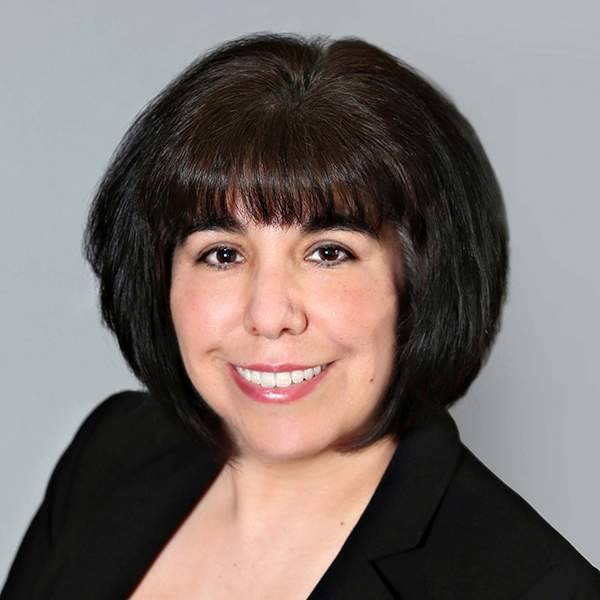
Marissa Meyer MA, LPC, NCE, DBT
Counselor / Supervisor

Dan Meyer MA, LPCC, EMDR, IPNB
Counselor / CEO

Why Choose Us
Professional Consulting Team
Dedicated & Expert Therapists
Evidence-Based Approaches
Faqs
Do you accept insurance?
Financial Transparency & Privacy First
Protecting Your Confidentiality & Personal Agency
At New Heart Counseling Centers, we intentionally operate on a self-pay model to protect your clinical privacy, preserve your personal agency, and ensure your treatment is guided solely by your unique needs—not third-party insurance mandates.
- Private Pay & Absolute Confidentiality
Commercial insurance billing requires submitting formal mental health diagnoses and detailed treatment records to third-party databases. For first responders, tactical professionals, and individuals healing from complex trauma, childhood abuse, intimate partner violence, MST, or moral injury—keeping your care off permanent medical files is often vital for your personal peace of mind and professional agency. - Out-of-Network Superbills
While we do not bill commercial insurance or Medicaid directly, we can provide a monthly statement called a Superbill upon request. You may submit this document to your commercial insurance provider for potential out-of-network reimbursement. Please note: Submitting a Superbill requires assigning a formal clinical diagnosis that becomes part of your insurance claim record.
Self-Pay Transparency | High Confidentiality
What if I cannot afford therapy?
New Heart Counseling Scholarship Program
We believe high-caliber, specialized mental health care should not be out of reach during life's hardest seasons. To support our local community, New Heart Counseling Centers maintains a limited number of Reduced-Fee Scholarship Slots for individuals facing severe financial hardship or navigating acute recovery.
- Short-Term, High-Impact Focus: Scholarship placements are structured as time-limited clinical blocks (typically 8–12 sessions) aimed at stabilizing acute crisis and building core self-agency.
- Application & Availability: Scholarship slots are awarded based on financial need, clinical fit, and current caseload capacity across our (TBD) locations.
Is my therapy confidential?
Yes. Absolute confidentiality and discretion are core foundations of our practice. By structuring our practice to avoid commercial insurance billing, we ensure that your personal history, session notes, and treatment progress remain strictly between you and your therapist.
- Private Pay & Medical File Protection: Because we do not bill commercial insurance or Medicaid, we are not forced to submit formal diagnoses, treatment plans, or intimate personal details to third-party corporate databases. For first responders and survivors of complex trauma, childhood abuse, intimate partner violence, rape, military sexual trauma (MST), human trafficking, PTSD, C-PTSD, or moral injury—this privacy barrier prevents your care from impacting background checks, security clearances, or permanent health records.
- Confidential Scholarships: We understand the extreme privacy needs of military personnel and first responders. To support care without compromising discretion, our initiative offers private, sensitive, and cost-free counseling scholarships directly to military members and veterans.
- Superbills & Your Choice: If you choose to seek out-of-network reimbursement from a commercial provider using a monthly Superbill, please be aware that insurance companies require a formal mental health diagnosis code to process the claim, which then enters your permanent insurance record. You retain complete control over whether or not to utilize this option.
- Legal & Ethical Limits: Like all licensed providers, our legal and ethical duty to hold your information confidential is absolute, with standard exceptions governed by state law (such as imminent threat of harm to yourself or others, or suspected abuse of a child or vulnerable adult).
How do you match me with the right therapist?
Your choice, safety, and comfort always come first. We believe effective therapy relies heavily on a strong, trusting connection with your provider, which is why we prioritize both clinical alignment and personal fit.
- Request a Clinician: If you have explored our team bios and resonate with a specific counselor, you can request them directly. We respect your autonomy and will do everything possible to match you with your preferred provider based on their current availability.
- Collaborative Matching: If you aren't sure who to choose, we don't just assign you to the next open slot. We carefully evaluate "Clinical Fit"—ensuring your therapist has specialized expertise in areas like complex trauma, C-PTSD, Play Therapy, or moral injury—alongside "Personality Fit" so you feel truly supported from day one.
- Specialized Trauma & Discretion-Focused Care: For first responders, veterans, active duty members, and survivors of complex trauma, we match you with clinicians who deeply understand the unique nuances, privacy considerations, and clinical modalities required for high-stakes, sensitive healing.
Do you offer Telehealth or In-Person sessions?
Yes, we offer both in-person and secure telehealth sessions. We tailor our meeting formats to best suit your clinical needs, comfort level, and personal privacy preferences.
- In-Person Therapy: Recommended for adults, first responders, and individuals who benefit from a dedicated, physical "safe space" outside of their home or work environment. Our office provides a comfortable, highly confidential setting.
- Telehealth (Online Therapy): We offer encrypted, HIPAA-compliant video sessions for busy professionals, parents with tight schedules, or clients living throughout Colorado. Telehealth allows you to receive high-quality, discreet care from the safety and comfort of your own private space.
- Flexible Approach: Depending on your treatment goals and schedule, you and your therapist can discuss whether in-person, remote, or a hybrid combination offers the best fit for your healing journey.
Do I need a formal diagnosis to use your services or receive scholarship care?
If you elect to request a monthly Superbill for commercial insurance reimbursement, insurance companies mandate a formal DSM-5 diagnosis code (such as PTSD or Anxiety) to establish "medical necessity." While we provide these codes when legally required, we reject the pathologizing view that trauma responses are a personal "dysfunction." Through our trauma-informed framework, we shift the question from "What is wrong with you?" to "What happened to you?"—honoring your symptoms as protective survival adaptations rather than disorders.